Tailor-made trips to Namibia from €4.500 per person — indicative.
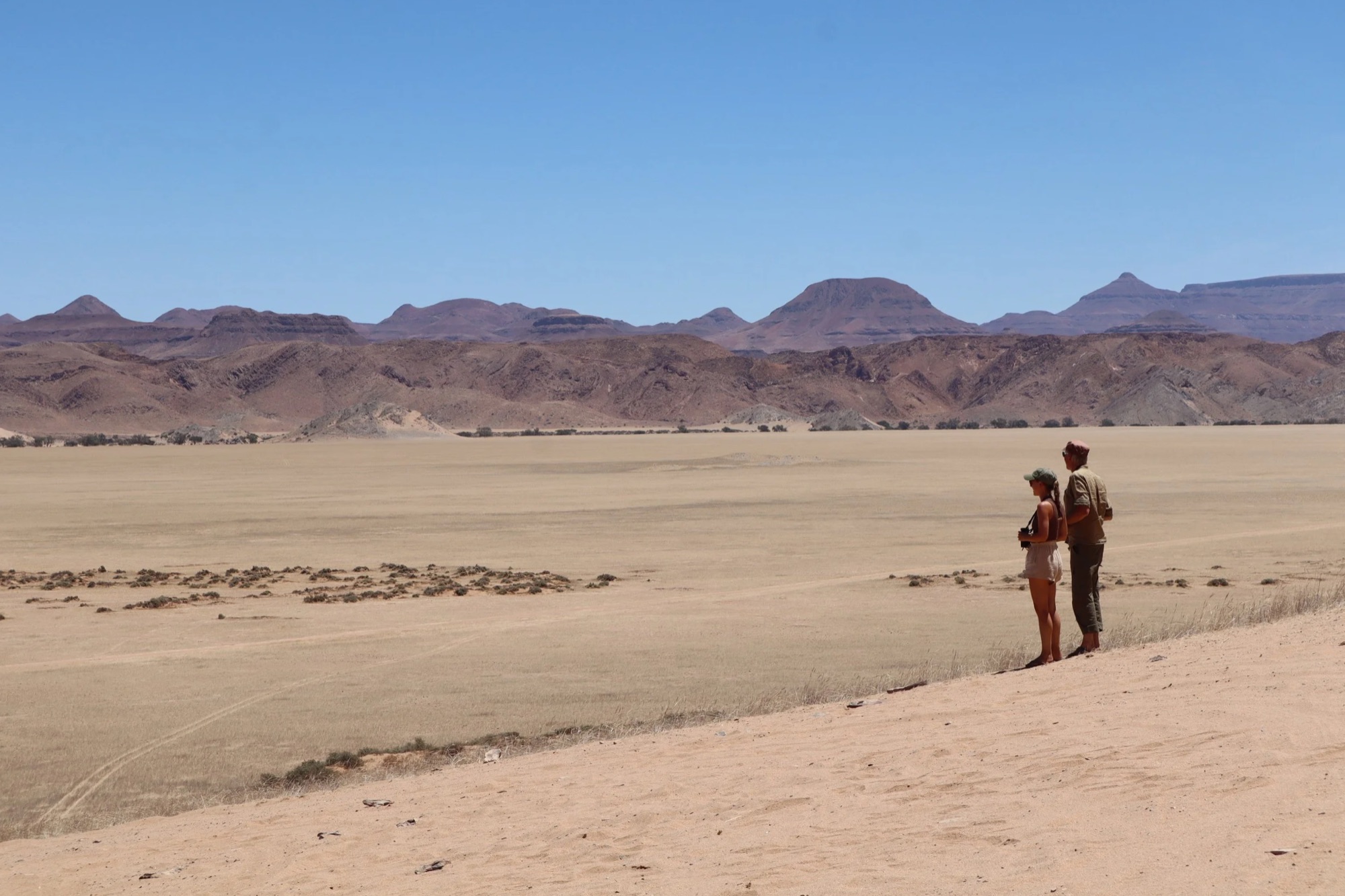
Namibia is a country for those who want to feel the steadiness of nature. The surreal, overwhelming landscapes remind you how small we are — and how we’re part of something far greater.
It’s one of the few places where you can still meet peoples living in their most traditional ways: the San, the Himba and the Ovambo. A country with a raw, layered history, with forgotten corners of a diamond past that few travellers ever reach — and whose stories even fewer have heard. And a place where rare wildlife appears where you least expect it: oryx, black rhino and the remarkable desert-adapted elephant.
In Namibia, the landscapes set the tone. You don’t travel past sights — you move through the silence.
Who is Namibia suited to?
Namibia suits travellers who love open landscapes, wildlife, stillness, photography and travelling with longer distances between destinations. It’s above all a destination for those seeking space and silence, who want to take the time to let a place truly sink in.
What is the best time to travel to Namibia?
- May–October (dry winter): the best time for wildlife. Animals gather around Etosha’s waterholes, the air is clear and the nights cool — ideal for safari and photography.
- Year-round: the desert landscapes of Sossusvlei and the Namib are impressive in every season; the early-morning light is the most beautiful.
- January–April (green season): warmer and greener, with a chance of short, heavy showers and dramatic skies.
How many days do you need?
For a first tour, two to three weeks is usually suitable. Because of the great distances, a calmer schedule is often more valuable than visiting many places in a short time. We build the route so you can exhale along the way, instead of having to cover kilometres every day.
Which regions do you combine?
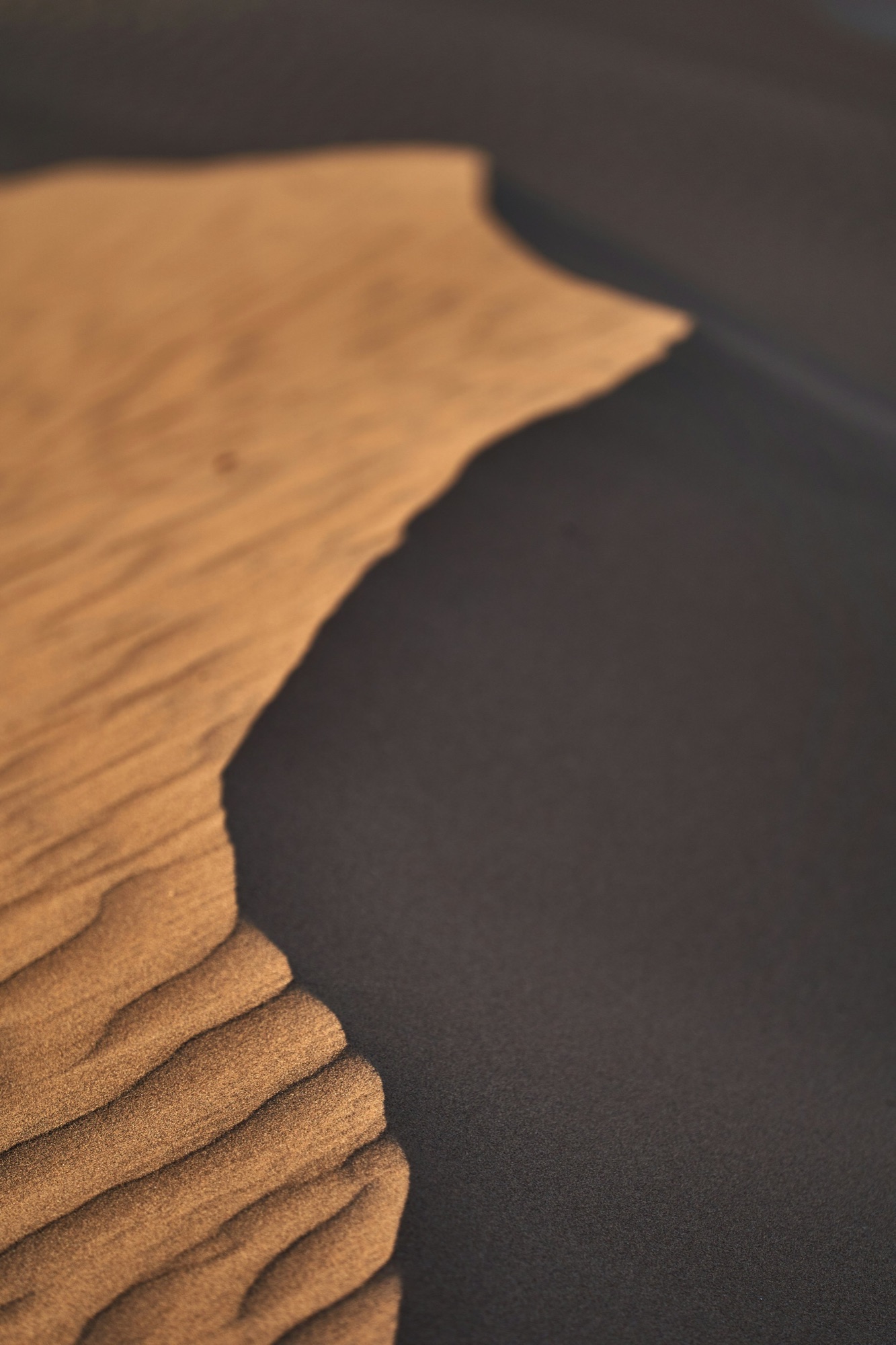
- Sossusvlei & the Namib desert — the highest dunes in the world and the ghostly trees of Deadvlei.
- Swakopmund & the Skeleton Coast — a colonial coastal town where the desert meets the ocean.
- Damaraland — desert-adapted elephants, the rock art of Twyfelfontein and vast emptiness.
- Etosha National Park — an enormous salt pan with waterholes where the wildlife gathers.
- Kaokoland (the north) — the homeland of the Himba, rugged and remote.
- Fish River Canyon & Kolmanskop (the south) — one of the world’s largest canyons and a sand-flooded diamond town.
What nature and wildlife can you expect?
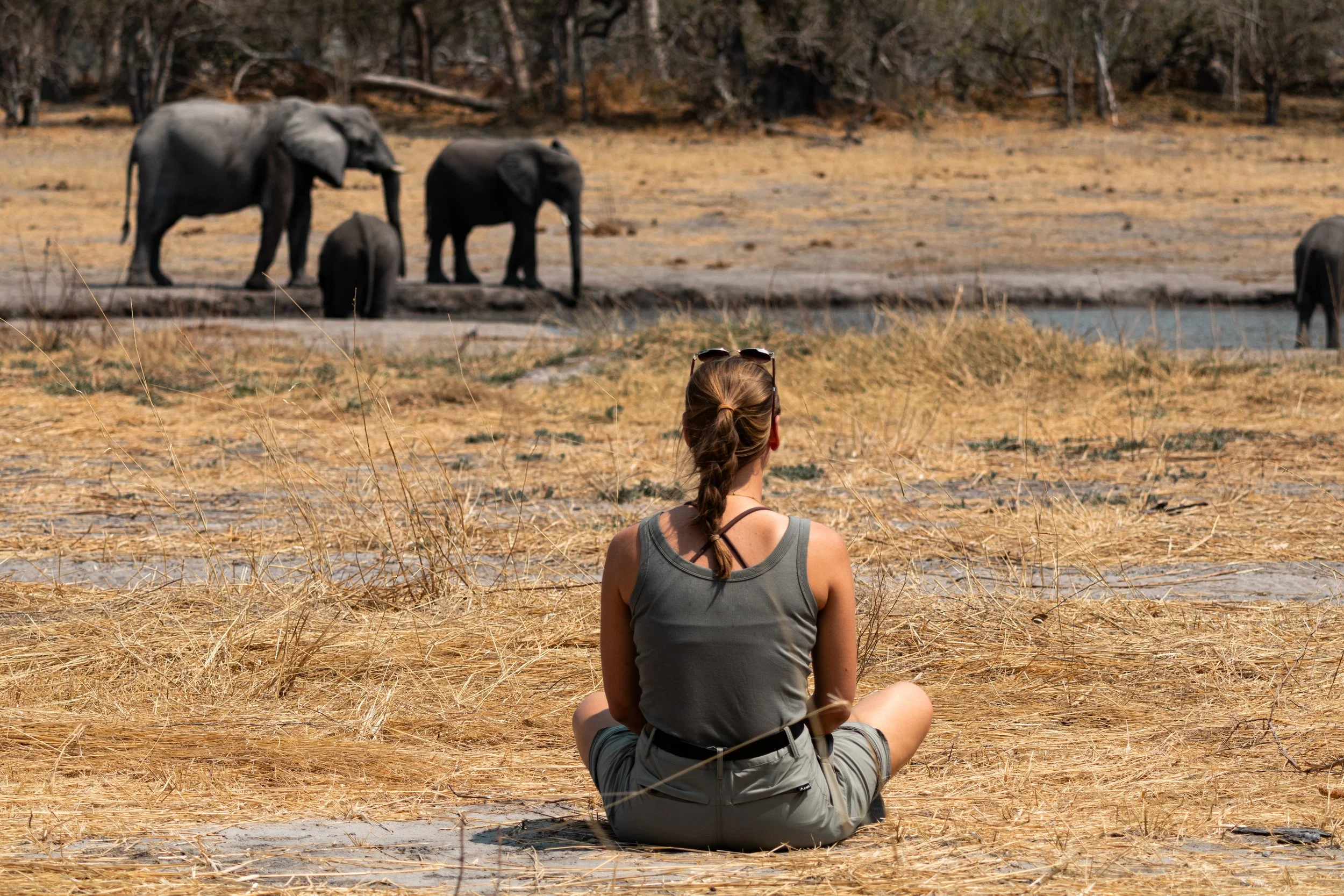
Namibia surprises with wildlife in unexpected places. Think of the desert-adapted elephant and the black rhino, oryx (gemsbok) against the dunes, springbok, giraffe and — in Etosha — lions around the waterholes. On the coast at Cape Cross lies one of the largest seal colonies in the world.
Self-drive or guided?
Self-driving is popular and gives you a lot of freedom; the main routes are manageable. Do bear in mind large distances and gravel roads — plan generous time, drive calmly and carry enough fuel and water. A 4x4 is recommended. If you’d rather be looked after, a guided trip with a private guide is a lovely option, also for the stories along the way.
Is Namibia suitable for families?
Namibia can be suitable for families, but the long driving distances need attention. With older children and a calmly built route it often works best. We match the pace, the stages and the activities to your children’s age.
How do you combine Namibia with other countries?
Namibia combines well with Botswana (via the Caprivi Strip), with the Victoria Falls, or with South Africa as a comfortable start or finish to your trip.
Namibia is also the destination of our Deep Dive — a small group, nine days of slowing down in nature. Prefer a fully tailor-made trip? Plan a discovery call.